What Documents Should You Shred at Home?
To decide what documents you should shred, look for account numbers, personal identifiers, signatures, or private financial and medical details. Destroy those papers once you no longer need them and have checked any retention requirements.
On this page (9 sections)
- What documents should you shred at home?
- Which papers should you keep instead of shredding?
- Should you shred mail and everyday papers?
- What shredder security level is suitable for home papers?
- Which shredder fits the amount of paper you have?
- How should you sort papers before shredding?
- How should you set up and care for a home shredder?
- How often should you shred sensitive papers?
- What documents should you shred before recycling?
Shred documents with account numbers, personal identifiers, signatures, or private financial and medical details once you no longer need them. Keep papers that still support a tax filing, claim, dispute, or legal right.
Deciding what documents you should shred starts with what each page reveals, not its title. A utility bill with an account number needs more care than a blank envelope with only your address.
What documents should you shred at home?
Shred discarded papers that connect your identity to money, health, account access, or identifying numbers. Check both sides and any attached pages before putting them in the shred pile.
Common examples include:
- Bank, credit card, and investment statements you no longer need.
- Paid bills and account notices with account numbers or access details.
- Papers showing Social Security numbers, dates of birth, or signatures.
- Expired insurance papers with personal or policy information.
- Unwanted preapproved credit offers and completed applications.
- Medical bills, benefit statements, and prescription information.
- Receipts and shipping papers that reveal private purchases or account details.
Which everyday documents should you shred?
Prioritize papers that reveal more than your name and address, including receipts with payment details and forms containing handwritten answers. A generic store flyer can usually stay out of the shred pile.
A receipt may still be needed for a return, warranty, expense claim, or tax record. Keep it until that purpose ends, then decide whether its contents call for shredding.
Which papers should you keep instead of shredding?
Keep documents that support tax filings, legal rights, ownership, insurance claims, or unresolved matters. A document's age alone doesn't tell you whether it's safe to destroy.
Store original birth certificates, deeds, and signed legal agreements securely. Don't assume a scan replaces an original when a document may need to prove identity, ownership, or an agreement.
Tax records have retention rules that depend on your circumstances. Read when you can shred old tax documents before clearing out returns and supporting papers.
For other records, check the relevant agency, insurer, or adviser guidance if you're unsure. Mark uncertain papers with the reason you're keeping them so the same decision doesn't repeat every time you sort.
A digital copy can help when a paper original isn't required. Confirm that the scan is complete and readable, then store it securely before destroying the paper.
Should you shred mail and everyday papers?
Shred unwanted mail that contains personalized financial offers, account details, or other private information. Separate those pages from plain envelopes and general inserts so you don't shred an entire mailing unnecessarily.
Open envelopes before deciding what to discard. An ordinary cover page can hide a statement, completed form, or notice containing sensitive information.
Check prescription labels and shipping labels too, but don't feed bottles, padded mailers, or adhesive materials into a paper shredder unless its manual permits them. A sensitive label still needs secure disposal when the machine can't accept its material.
Shredding protects discarded paper; it doesn't resolve an account that's already been misused. The FTC's identity theft resource offers help if your personal information is misused.
What shredder security level is suitable for home papers?
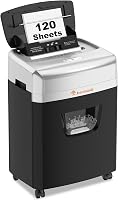
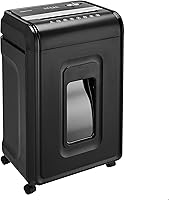
All 3 shredders below are P-4 models, but their particle sizes and workloads differ. Follow any specific destruction requirement that applies to your records before choosing a machine.
Compare actual particle dimensions alongside the security label. Our guide to paper shredder security levels explains the labels, while what a micro-cut shredder is covers that cut type.
The Bonsaii 12-Sheet Micro-Cut Shredder suits households that want smaller paper particles and handle regular batches of sensitive records. It accepts up to 12 sheets per pass, runs for up to 20 minutes, and has a 4.2-gallon pull-out bin.
Choose it for a steady routine of statements, forms, and medical paperwork. Skip it if your main job is clearing thick stacks quickly; the Amazon Basics model below accepts more sheets per pass.
Bonsaii also supports credit cards, staples, paper clips, and CDs. Follow its separate feeding instructions for those materials rather than putting mixed items through together.
For a closer comparison of the cut types, read micro-cut vs cross-cut shredders.
Which shredder fits the amount of paper you have?
Choose around your normal pile and available time, rather than buying for one unusually large cleanup. Sheet capacity controls each pass, while run time and bin size affect how often you stop.
The Amazon Basics 24-Sheet Cross-Cut Shredder is the strongest fit here for accumulated files or paperwork from several household members. Its maximum sheet count applies to 20-pound bond paper, so heavier paper calls for smaller batches.
It runs for 40 minutes followed by 50 minutes off. Plan around that pause if you're clearing a cabinet, rather than expecting to feed paper continuously all afternoon.
Its anti-jam auto reverse and bin, overload, and overheat indicators help you respond when feeding stops. Skip this model if you only destroy a few papers each week or lack room for its 23.23-inch height and bin access.
The Fellowes 14C10 fits short, frequent sorting sessions at a home desk. It runs for up to 10 minutes before cooling is needed, making it better suited to routine upkeep than a long backlog.
Its Safety Lock disables the machine when engaged, a useful feature in a shared household. Keep children and pets away from the opening even when a lock is available.
Skip the Fellowes if you need to destroy CDs or want longer continuous sessions. For help balancing these tradeoffs, use our guide to choosing a paper shredder; the broader paper shredder buying guide covers other machine types.
How should you sort papers before shredding?
Use keep, shred, recycle, and review piles so sensitive papers don't get mixed with records you still need. Keep the review pile separate and secure until each question is resolved.
Open envelopes and unfold pages before feeding them. Remove binder clips, thick bindings, and unsupported materials; acceptance of staples or small paper clips doesn't mean all metal fasteners are safe.
Treat sheet capacity as a ceiling, not a target for every pass. Folded paper, heavy sheets, and tightly packed stacks can increase the load.
Don't push paper down with your fingers or force a stack that won't feed. Stop and follow the manual if feeding stalls; our guide explains how to clear a paper shredder jam.
Keep card and disc fragments separate from paper shreds. Afterward, follow local collection rules using what to do with shredded paper as a starting point.
How should you set up and care for a home shredder?
Place the shredder on a stable, dry surface with room for ventilation and bin removal. Check the space with the bin pulled out, since fitting the machine under a desk isn't enough.
Keep loose sleeves, hair, cords, and other items away from the opening. Switch off and unplug the machine before reaching inside or cleaning it, following the manual's safety steps.
Empty the bin before paper crowds the cutters. Don't compress the contents by reaching up toward the cutting head.
Use only the lubricant type and maintenance schedule the manufacturer permits. Our guide to how to oil a paper shredder explains the process, and whether shredder bags are useful covers bin liners.
Keep aerosol products away from the shredder. Never feed a metallic credit card into a machine simply because it accepts ordinary plastic cards.
How often should you shred sensitive papers?
Shred papers after their useful life and retention needs end, using short sessions that fit your machine's duty cycle. A weekly mail sort can prevent unwanted offers and routine paperwork from becoming a large backlog.
Keep a secure container for papers awaiting destruction. An open box beside the recycling bin leaves readable information exposed and makes sorting mistakes more likely.
Review stored records separately from everyday mail. When a claim or dispute ends, check what you still need before adding its papers to the next batch.
What documents should you shred before recycling?
Shred unneeded papers with sensitive details, keep records with ongoing value, and leave ordinary recyclable paper intact. That is the practical rule for deciding what documents you should shred.
Choose Bonsaii for smaller particles and regular household batches, Amazon Basics for larger stacks, or Fellowes for short sessions with a Safety Lock. For a single backlog, consider whether a secure document destruction service would meet the need without buying a larger machine.
Before emptying the bin, check what to do with shredded paper so your disposal method matches local rules.
Frequently asked questions
What personal documents should you shred?
Shred papers with account numbers, identity numbers, signatures, or private financial and medical information once you no longer need them. Common examples include old statements, completed applications, prescription labels, and unwanted credit offers.
First separate records needed for taxes, disputes, ownership, insurance claims, or other ongoing matters.
Should you shred documents with your address?
An address alone usually isn't the main reason to shred a document. Prioritize papers that pair your name and address with an account number, date of birth, signature, or private transaction.
Check shipping labels and enclosed receipts separately, since the receipt may reveal more than the outside label.
Can you recycle shredded documents?
Only if your local recycling program accepts them. Small paper pieces can be difficult to sort, and rules for bags and drop-off sites vary.
Check your city or hauler's instructions before putting shreds out for collection, and keep plastic card fragments and disc pieces separate from paper.
Do you need a micro-cut shredder for home documents?
You don't need micro-cut for every household document. Compare the required security level and actual particle dimensions, then choose a machine that fits your workload.
Both cross-cut and micro-cut models can carry a P-4 label; our guide to paper shredder security levels explains how to compare them.